Your Ultimate Guide to Meat Markets: Check Out the Freshest Cuts and Sustainable Selections
In today's culinary landscape, recognizing meat markets can significantly enhance the cooking experience. Various cuts of meat offer special tastes and structures, yet not all are produced equivalent. Understanding exactly how to recognize quality products and the relevance of sustainability can transform dish preparation. Additionally, buying from local resources supports honest techniques. As one navigates through the complexities of meat selection, several vital considerations emerge that might affect their options.
Recognizing Different Cuts of Meat
Recognizing the numerous cuts of meat is necessary for both cooking lovers and professional chefs alike. Each cut of meat has its very own unique features, influencing flavor, food preparation, and structure approaches. Cuts are generally classified right into primitive sections such as rib, loin, chuck, and round, each yielding certain sub-cuts like ribeye, tenderloin, and brisket.
The ribeye is known for its marbling and inflammation, making it optimal for grilling. In comparison, tougher cuts like chuck require sluggish cooking to come to be tender. Understanding of these differences help in picking the ideal cut for different cooking applications. Furthermore, comprehending the composition of the animal offers understanding into just how muscle mass usage influences taste and structure. This foundational knowledge not just improves cooking skills yet also strengthens admiration for the craft of butchery and the quality of the meat itself.
How to Choose Top Quality Products
Choosing top quality meat products is fundamental to attaining excellent taste and texture in food preparation - meat market delivery. When selecting meat, one should seek lively shade, which commonly suggests freshness; as an example, beef must appear intense red, while pork must have a light pink color. Additionally, the marbling of fat within the meat plays a necessary duty in flavor, specifically in cuts like ribeye or pork shoulder. The lack of any off-putting smell is an additional indicator of high quality
Structure should feel solid but somewhat producing, suggesting inflammation without being mushy. Consumers are encouraged to examine the sell-by date to assure they are acquiring the best alternatives.

The Advantages of Purchasing Lasting and neighborhood
While numerous customers may focus on price and ease when buying meat, getting lasting and local items uses significant advantages that extend beyond mere economics. Supporting local farmers and producers fosters community relationships and strengthens the neighborhood economy. This technique typically results in fresher, higher-quality meat, as it travels much shorter ranges, reducing the time from farm to table.
Lasting meat production likewise prioritizes moral farming methods, which can result in far better animal well-being criteria. Consumers can feel a lot more certain regarding the beginnings of their meat, recognizing it follows humane therapy and environmental stewardship. In addition, sustainable and neighborhood choices commonly use fewer chemicals and anti-biotics, adding to much healthier food choices.
Important Tips for Browsing Your Meat Market
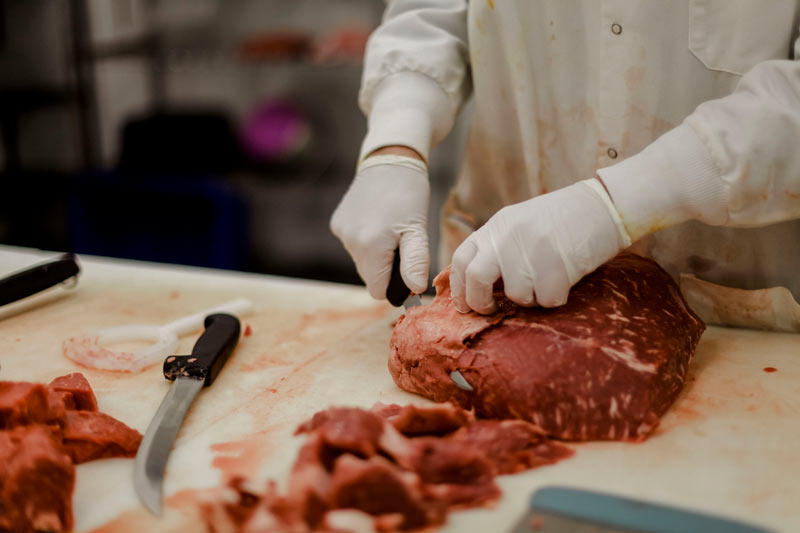
Steering a meat market can be a frustrating experience for lots of shoppers, especially with the range of kinds, cuts, and resources available. To ease this process, one necessary tip is to familiarize oneself with common cuts of meat and their uses. Comprehending the differences between, for example, sirloin and ribeye can help buyers make informed selections.
Furthermore, engaging with the butchers can improve the buying experience; asking inquiries concerning freshness, sourcing, and prep work can provide important understandings. It is likewise advantageous to develop a budget before shopping to stop overspending.
Customers must not be reluctant to check out the meat very closely, checking for marbling, color, and appearance, which indicate high quality (meat markets edwardsville il). Checking out the market throughout off-peak hours can lead to a much more kicked back shopping experience, enabling time to check out and ask questions without sensation rushed.
Cooking Strategies for Different Cuts

In addition, approaches like toasting are suitable for larger cuts, such as pork loin, guaranteeing also cooking and boosted flavor. Ground meats are flexible, ideal for various techniques consisting of sautéing and cooking. Meanwhile, cooking techniques like sous-vide Get More Information deal precision, especially for delicate cuts, supplying regular results. Comprehending these methods permits home cooks to pick the very best strategy, inevitably boosting the overall eating experience. Each cut's intrinsic top qualities deserve to be highlighted through thoughtful preparation and food preparation.
Often Asked Questions

What Are the very best Times to Visit a Meat Market?
The most effective times to go to a meat market are very early mornings, when fresh deliveries arrive, and late afternoons, when vendors usually mark down items nearing closing time. Weekends might also supply a bigger selection and livelier environment.
Just How Can I Tell if Meat Is Morally Sourced?
To determine if meat is morally sourced, one should look for accreditations, make inquiries regarding the ranch's practices, and assess the transparency of the supply chain. Labels indicating grass-fed or natural can also offer understanding.
Exist Vegetarian Options Available at Meat Markets?
Numerous meat markets offer vegetarian alternatives, such as plant-based sausages, veggie hamburgers, and fresh fruit and vegetables. These alternatives satisfy varied nutritional preferences, ensuring that all consumers can locate something appropriate for their meals.
What Should I Bring When Visiting a Meat Market?
When visiting a meat market, one must bring recyclable bags for acquisitions, a cooler for transporting disposable things, a note pad for notes on cuts or prices, and cash or cards for reliable deals.
Just how Do I Properly Shop Different Kind Of Meat in your home?
To correctly keep various types of meat, one need to cool poultry and seafood at 32 ° F, red meat at 36 ° F, and this article guarantee airtight product packaging. Cold can prolong service life, yet appropriate thawing is essential prior to usage.
Different cuts of meat deal one-of-a-kind tastes and appearances, but not all are created equivalent. Understanding the different cuts of meat is important for both specialist chefs and cooking enthusiasts alike. Each cut of meat has its own distinct features, influencing food preparation, appearance, and flavor approaches. Navigating a meat market can be a frustrating experience for many buyers, specifically with the variety of types, cuts, and sources offered. Recognizing the ideal cooking strategies for various cuts of meat can elevate any type of dish.
Comments on “What makes bagley meat market edwardsville il an ideal choice for locally sourced meats.”